Concrete crack injection
Concrete crack injection and repair can serve three main purposes: preventive waterproofing, active waterproofing, and structural strengthening.
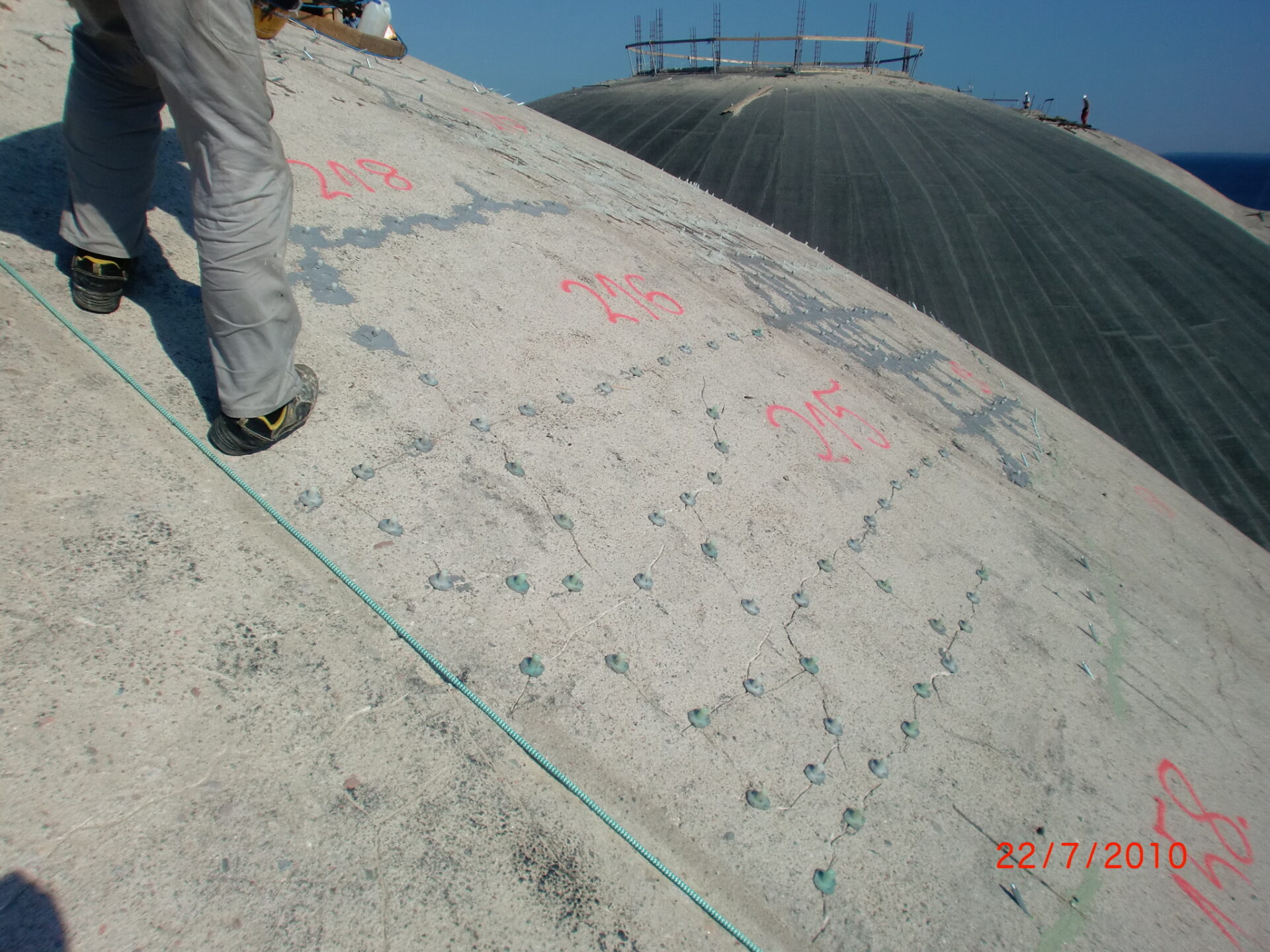
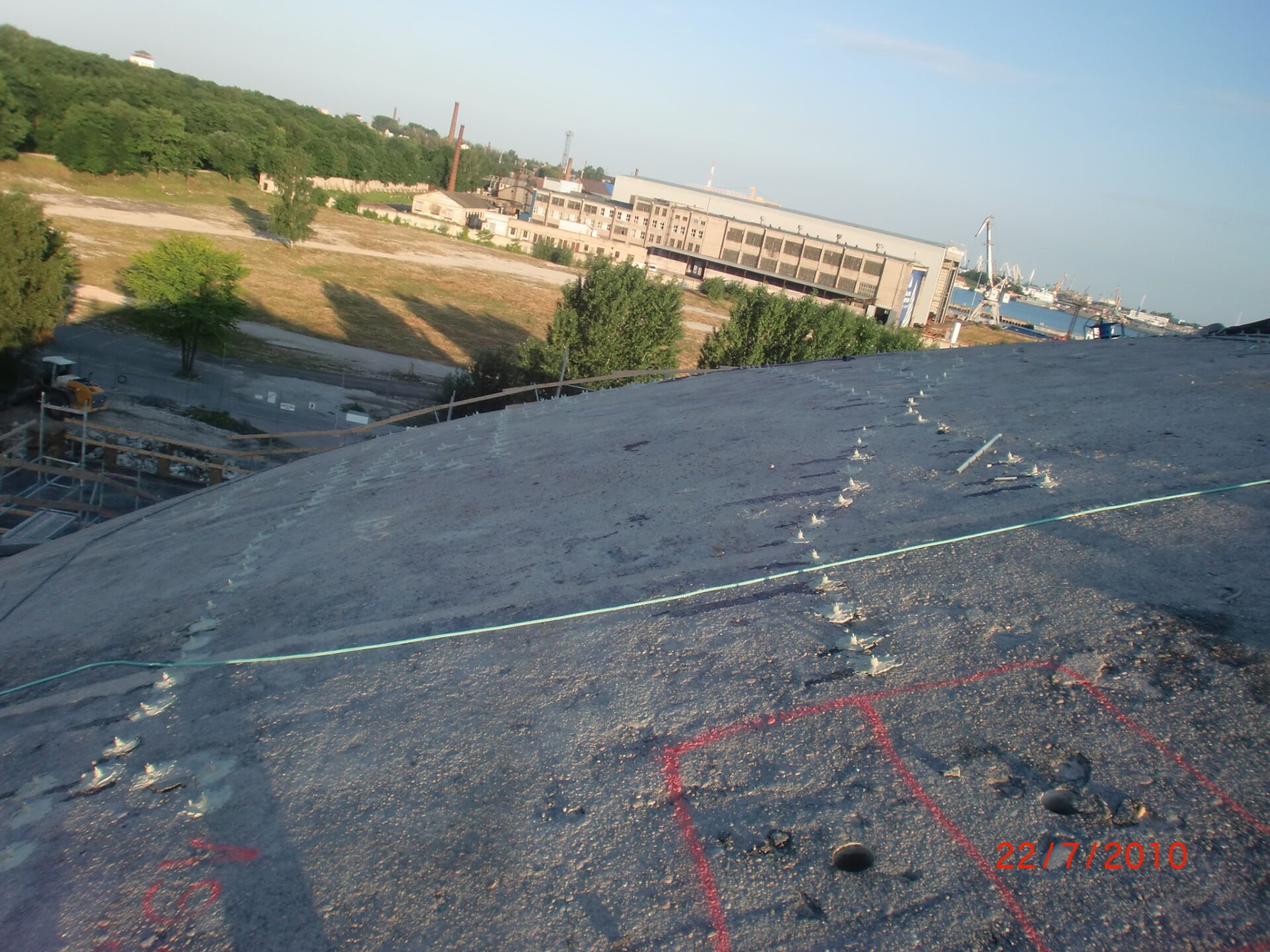
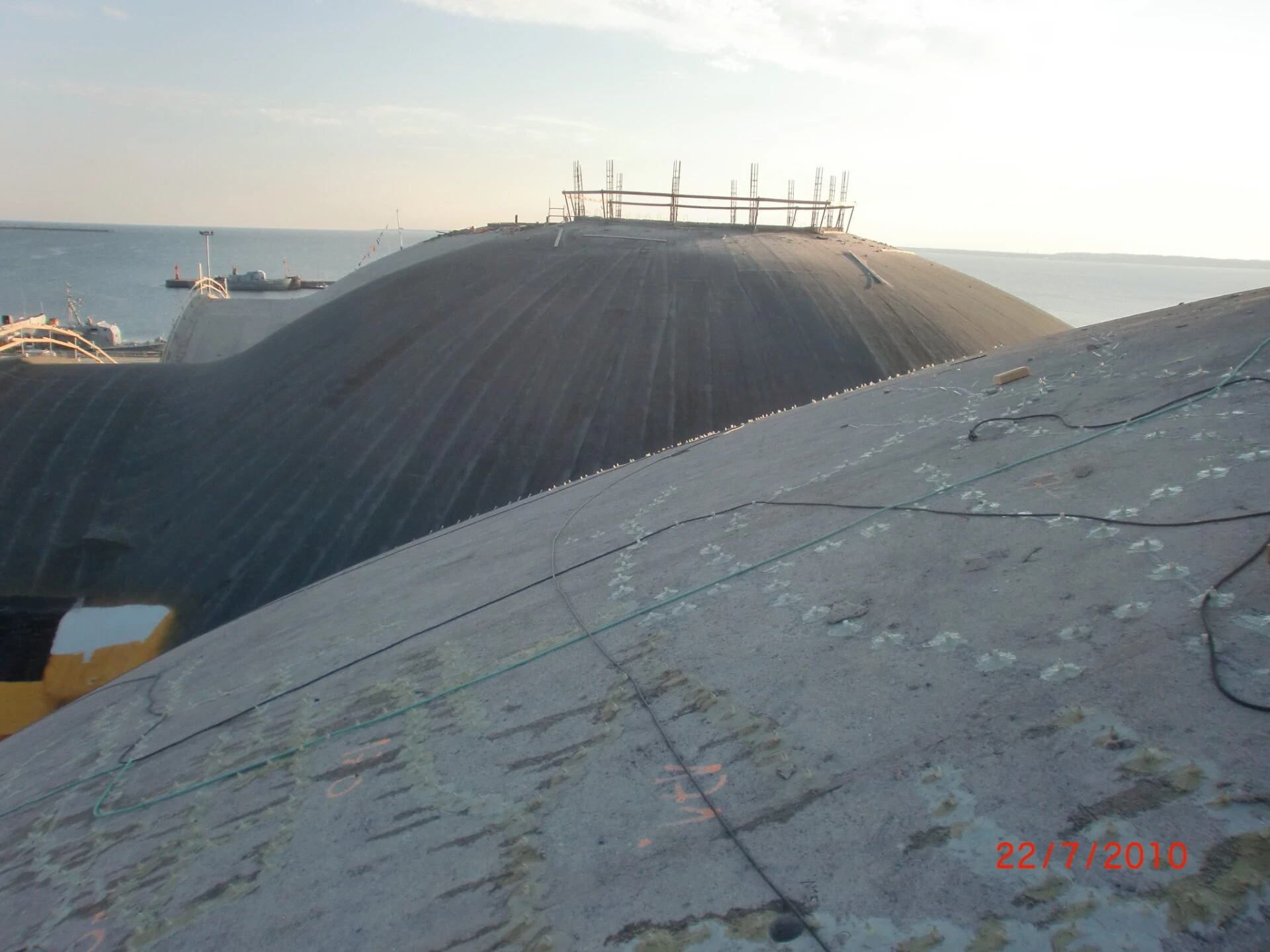
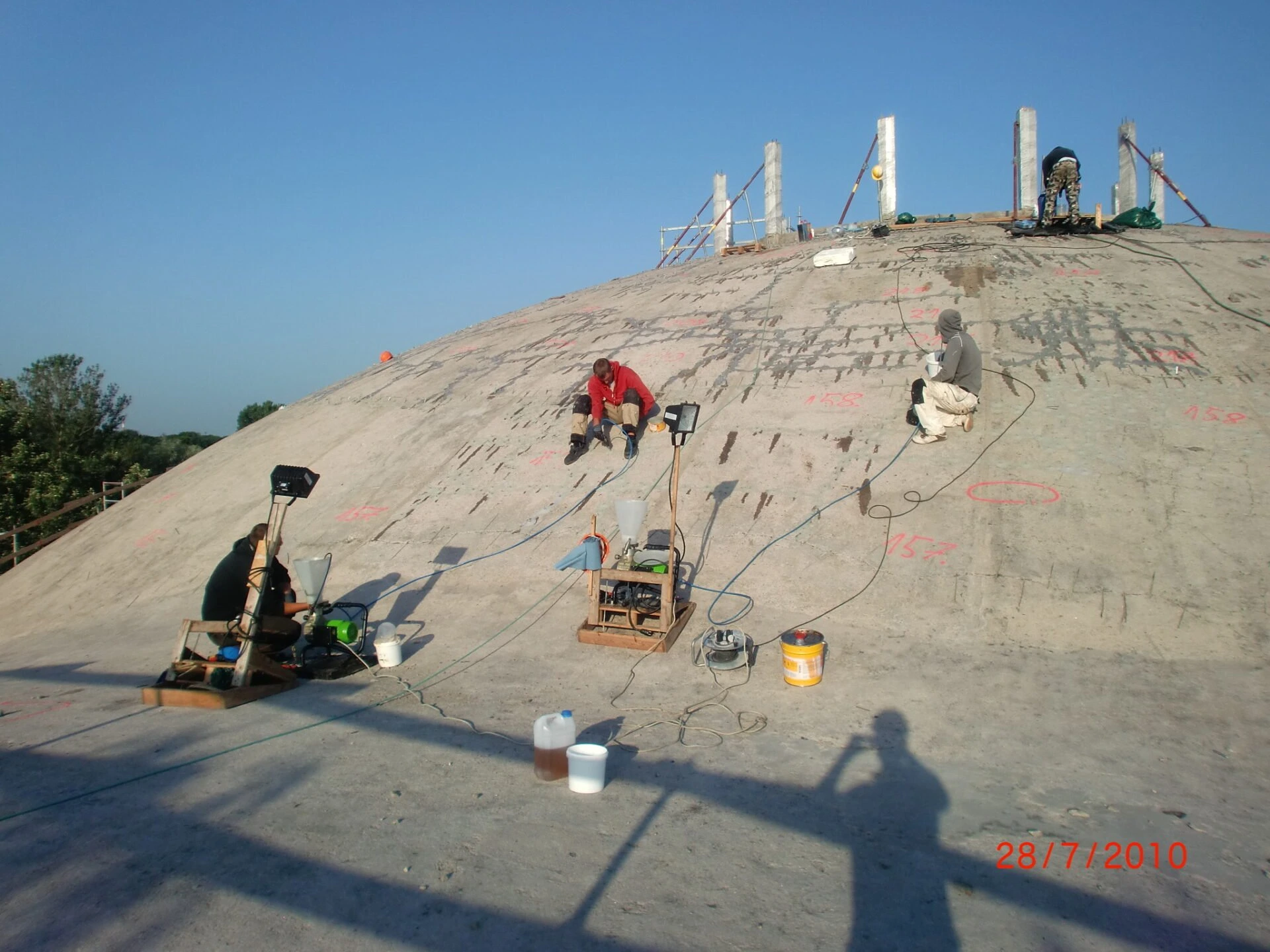
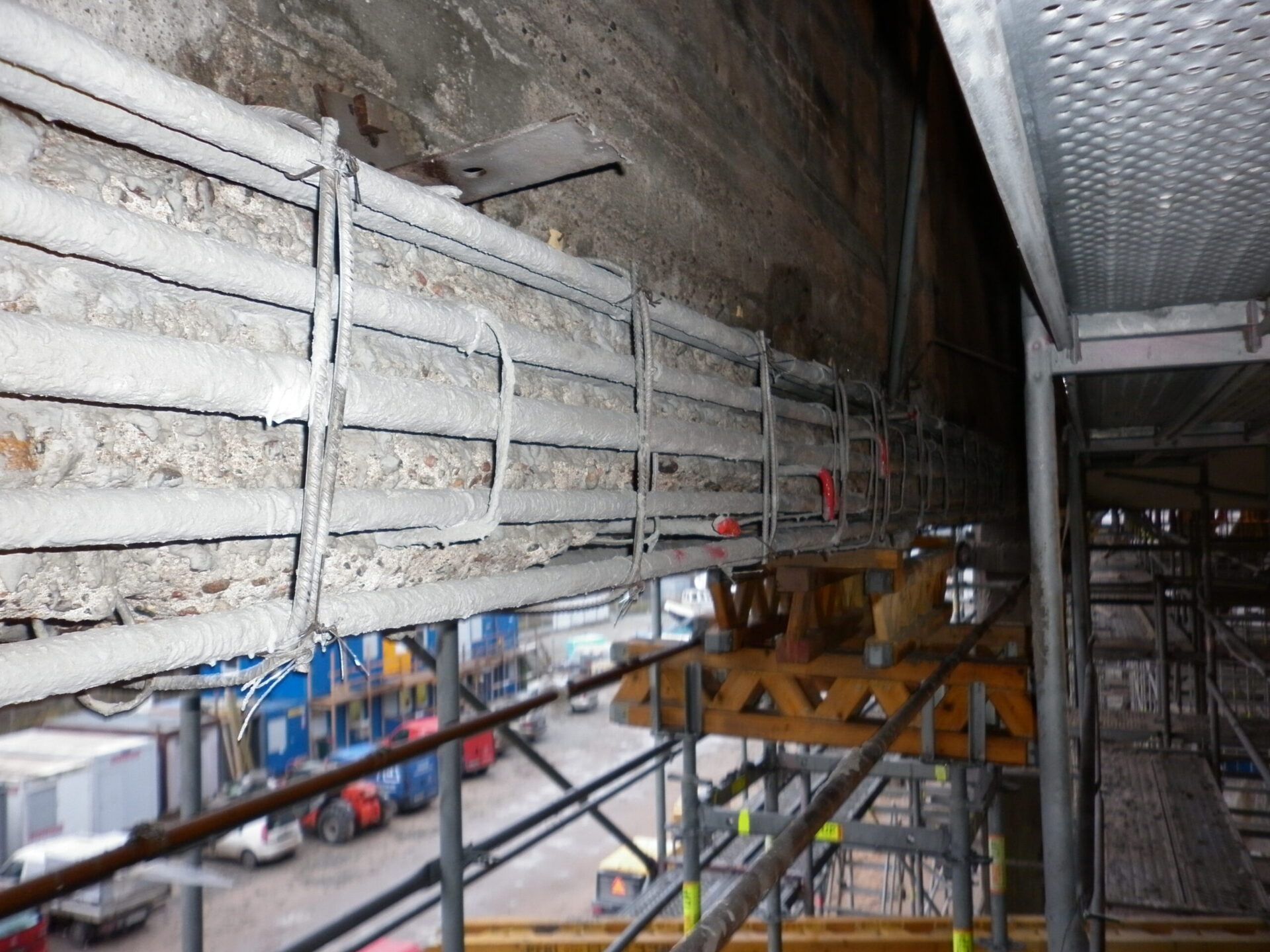
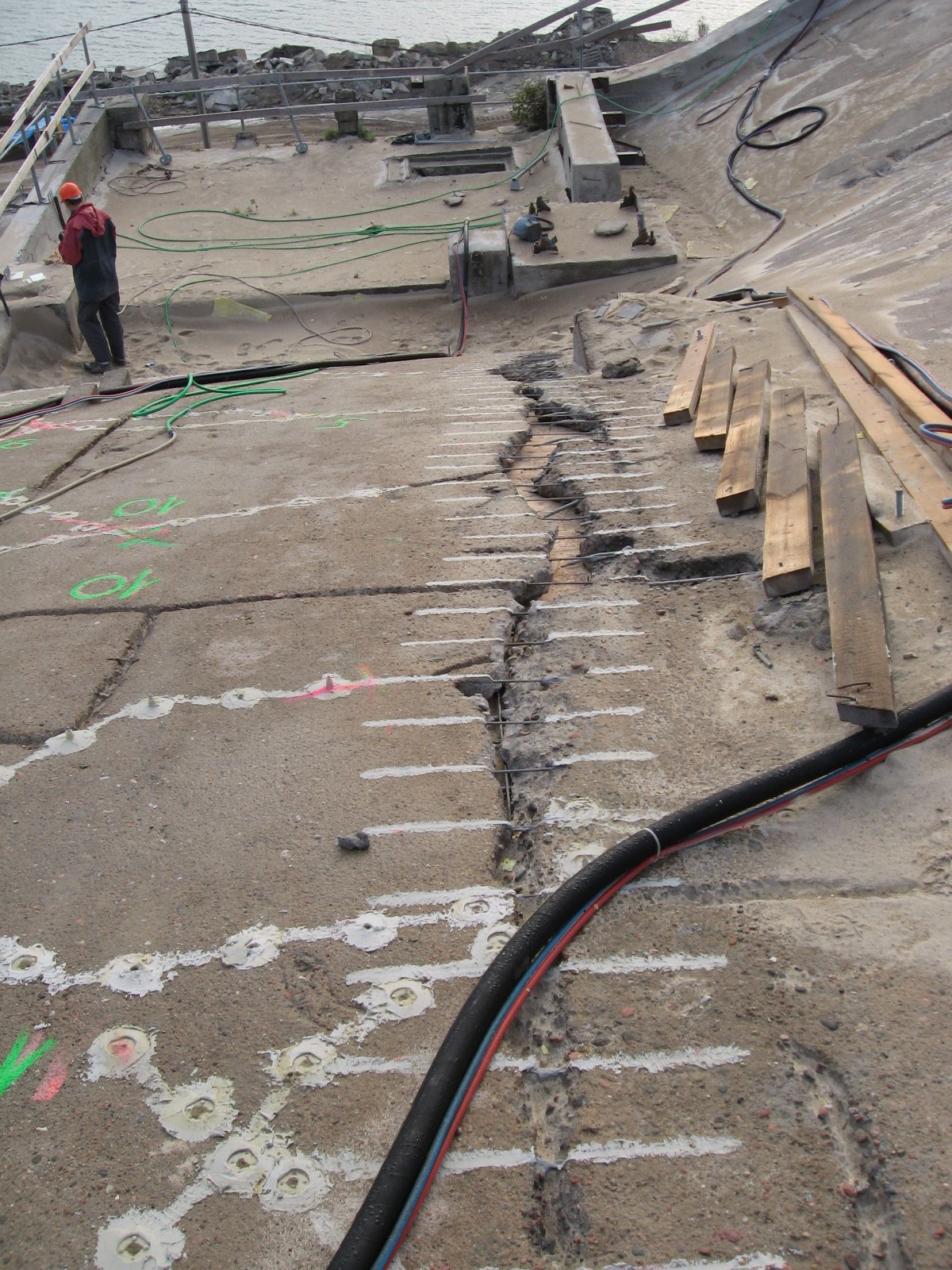
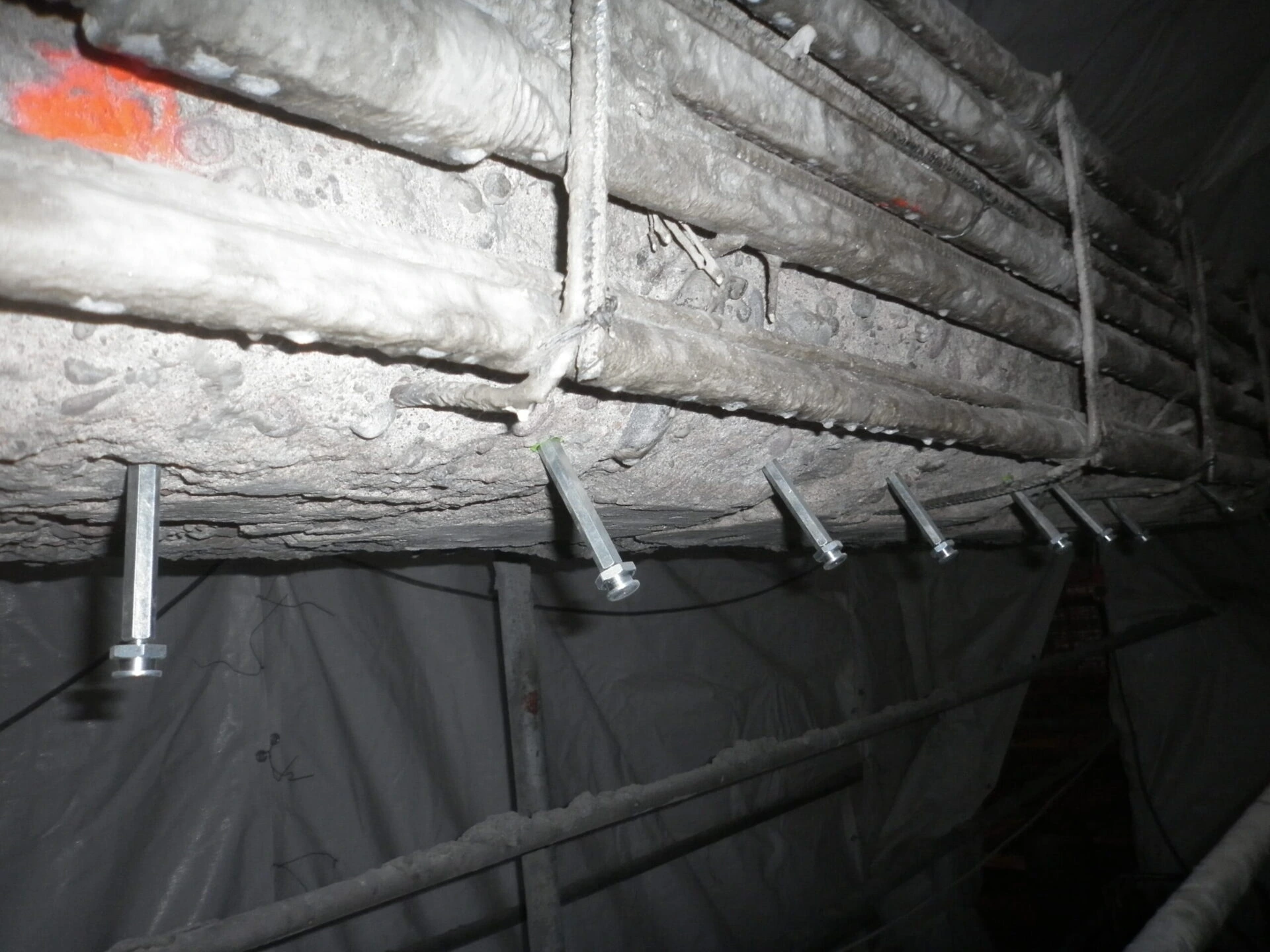
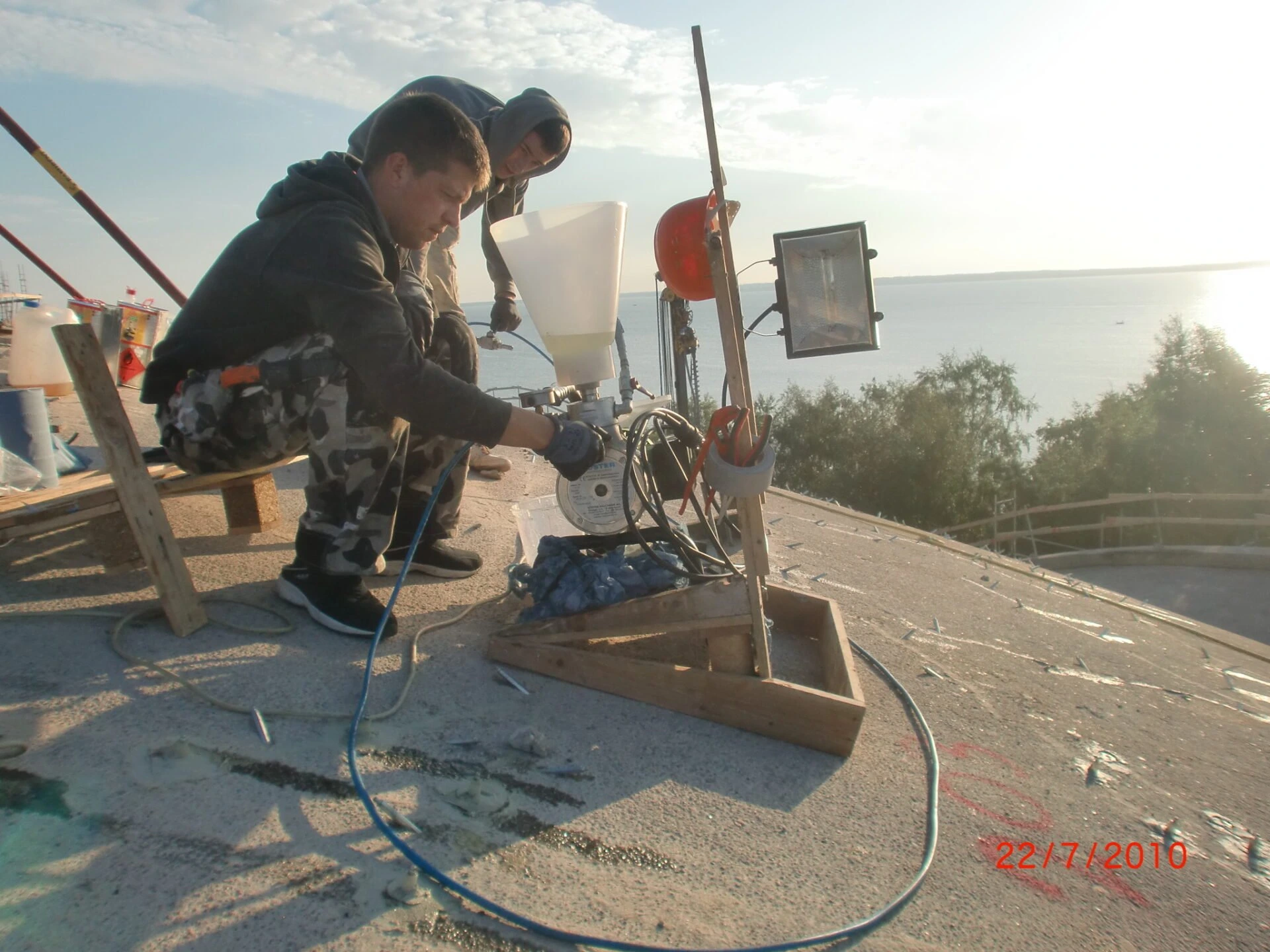
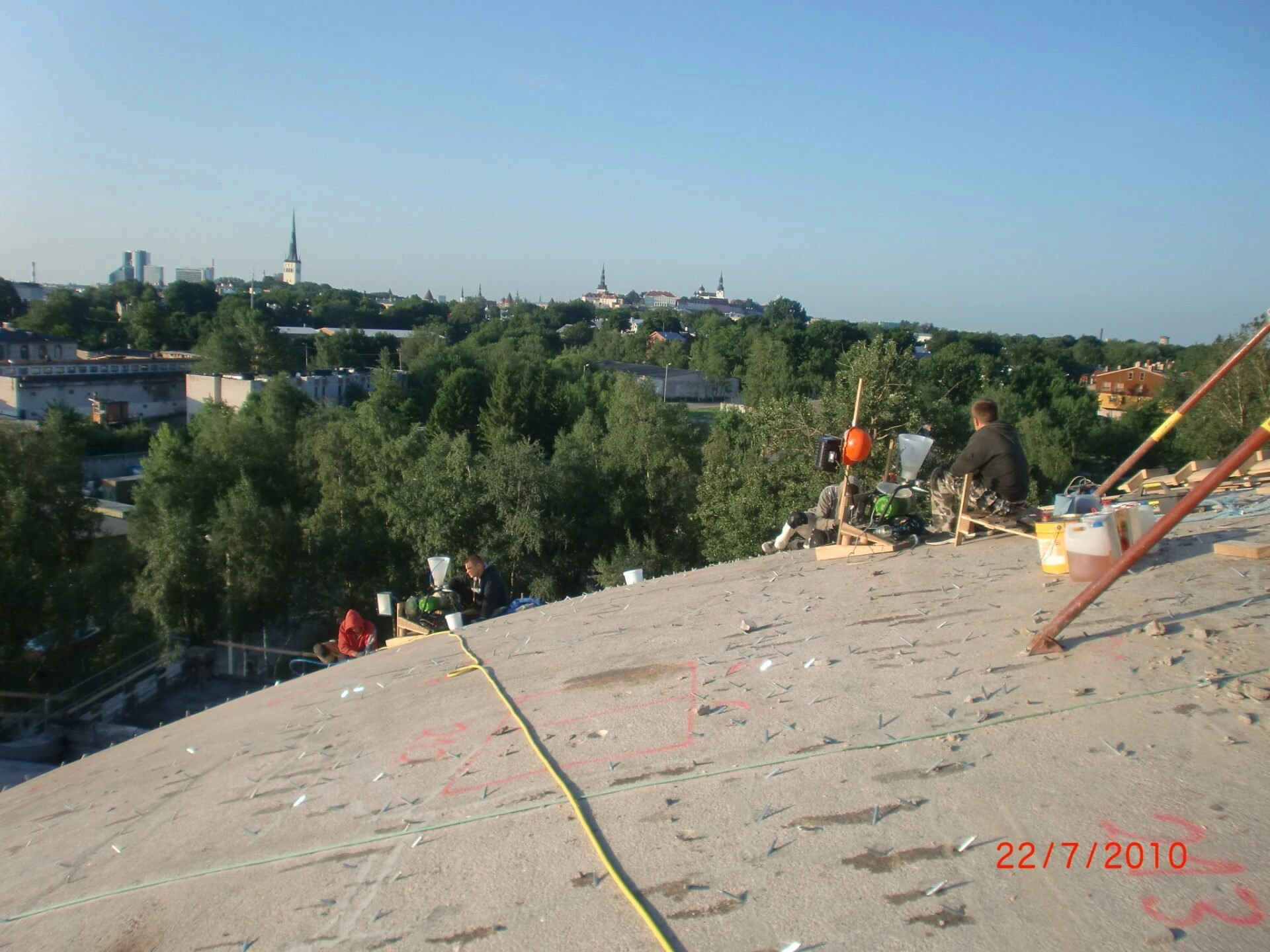
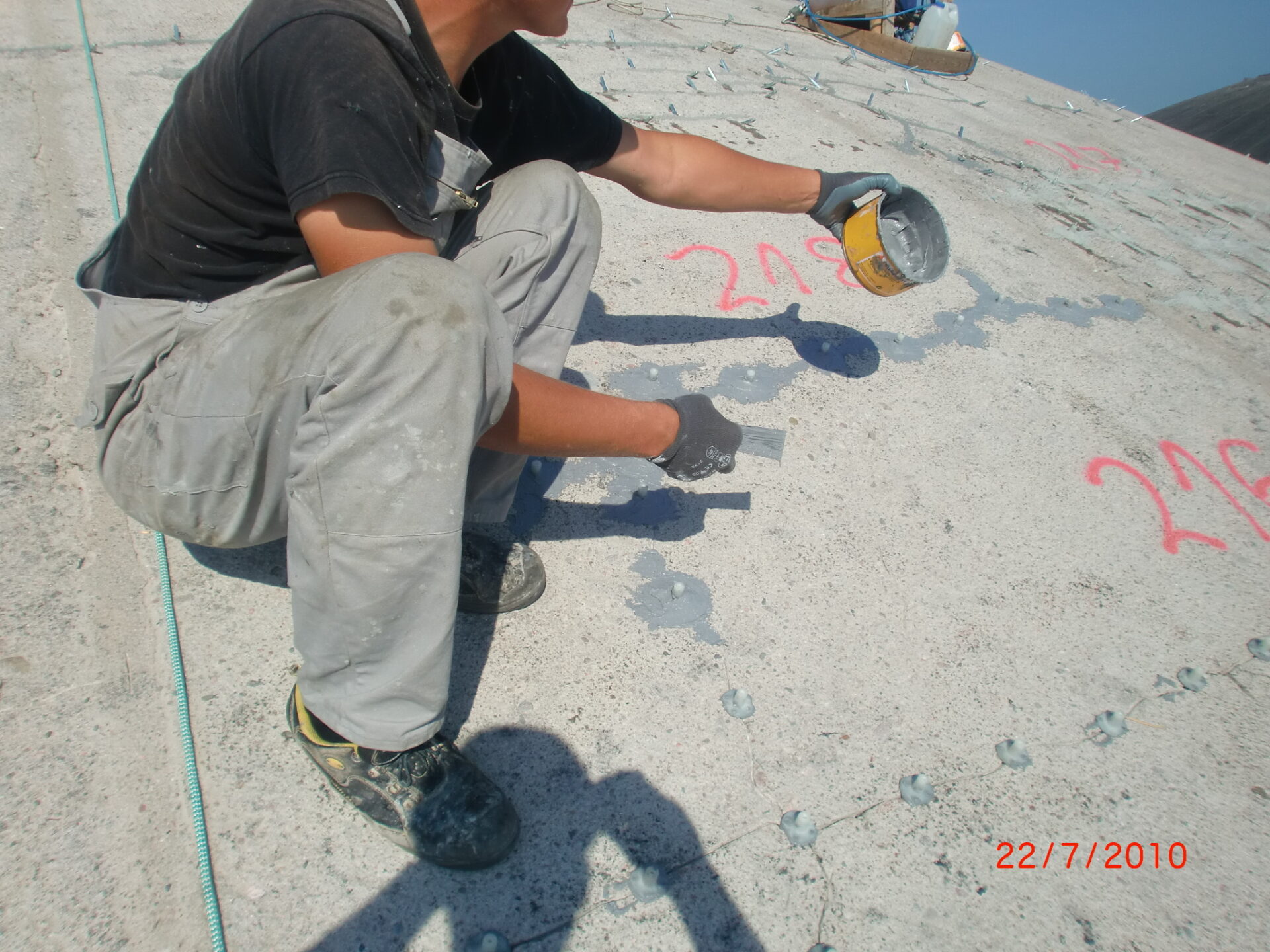
In 2010, Traveter carried out the injection of the reinforced concrete domes of the Estonian Maritime Museum's seaplane harbour hangar. In total, we injected 4,200 meters of cracks.
Preventive waterproofing
When cracks represent only minor defects, they are often repaired preventively to avoid further damage. This primarily involves sealing cracks to prevent corrosion, as the consequences of neglecting them (e.g., spalling of the concrete cover) will inevitably lead to higher renovation costs later on.
Waterproofing
If cracks pose a significant problem, for example by allowing water to penetrate into a basement, they can severely limit the usability of the building. Water ingress often leads to consequences such as accelerated reinforcement corrosion and restricted functionality. In such cases, active water leaks must first be stopped. By doing so, the cracks are made permanently watertight throughout the entire cross-section of the structure. Cracks subject to movement must be filled with a flexible material capable of absorbing the stresses caused by structural movement, such as KÖSTER IN 2, KÖSTER IN 4, or KÖSTER IN 5.
Structural strengthening
Conversely, cracks that show no dynamic movement—meaning the crack width does not change over time—can be structurally bonded. Such cracks are injected with a rigid resin (e.g., KÖSTER KB-Pox IN) to restore the structure's original strength. Injection resins used for structural strengthening, regardless of their chemical composition, must always have a bond strength to the concrete that exceeds the concrete's own tensile strength (greater than 1.5 N/mm²). This way, the original structural integrity can be fully restored.
Typical areas for crack injection
- Concrete slabs
- Floor slabs of underground parking garages
- Concrete walls
- Concrete ceilings
- Bridges, viaducts, and tunnels
- Masonry structures
- Construction joints – cold joints, expansion joints
- Wall-to-floor junctions and others
How do cracks form?
A structural element cracks when the internal stresses exceed the strength of the structure itself. The formation of cracks relieves the accumulation of stress within the structure. Compared to its compressive strength, the tensile strength of concrete is relatively low. This is especially true for fresh concrete. Therefore, the most common types of cracks are shrinkage cracks and flexural-tensile cracks. There are many reasons that cause stress in structures. In most cases, however, it is a combination of the following factors.
Stresses from loads
When a load is applied to a structure, stresses are generated that transfer the load down to the foundation. Loads affecting a building or structure include, for example, vehicles crossing a bridge or even wind loads acting on a building. The self-weight of the structure is also a load that it must bear. If the load exceeds the load-bearing capacity of the structure, cracks will form.
Stresses from shrinkage
Concrete shrinks during the curing process. Additionally, heat is generated during the hydraulic reaction of the concrete. Both factors can cause severe internal stresses, especially in long structural elements, leading to cracks. Typically, such cracks are prevented by reinforcement, construction joints, shrinkage joints, temperature joints, and expansion joints. If these joints are missing or do not function fully, stresses build up in the structural element, which can result in cracking.
Stresses from ground movement
Stresses resulting from ground movement are caused by earthquakes, building settlement, fluctuations in the groundwater level, nearby new construction sites, and similar factors. Due to these movements, changes can occur in how loads are transferred from the building through the foundation into the supporting soil. These changes induce stresses in both load-bearing and non-load-bearing structural elements of the building, potentially causing cracks.
Stresses from temperature changes
Thermal effects, such as exposure to sunlight, can heat up structural elements. When building materials are heated, they expand. When they subsequently cool down, they contract again. The movements occurring during heating and cooling generate stresses within the structural element and cause cracks.
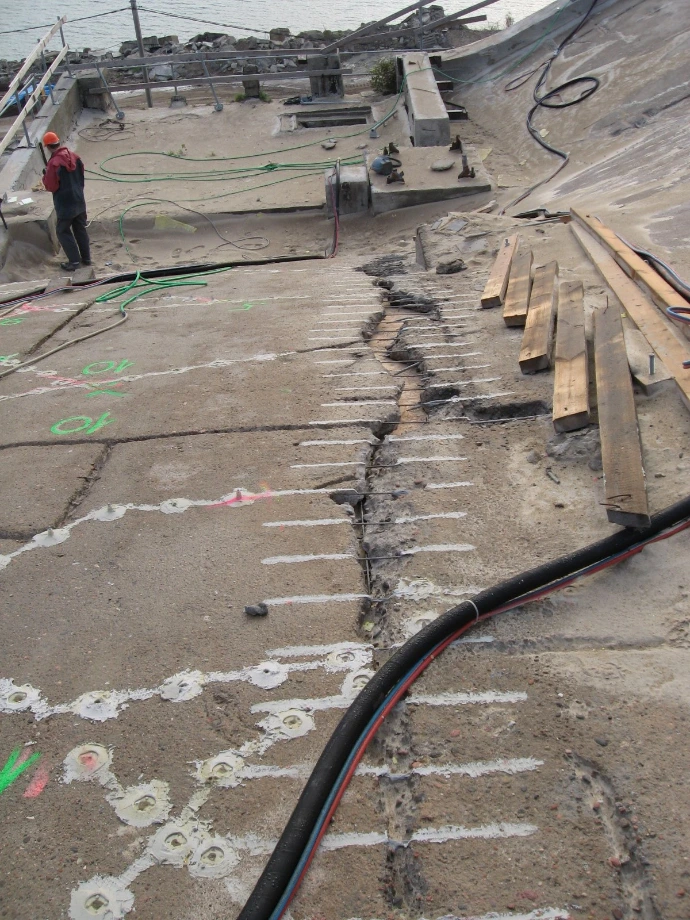
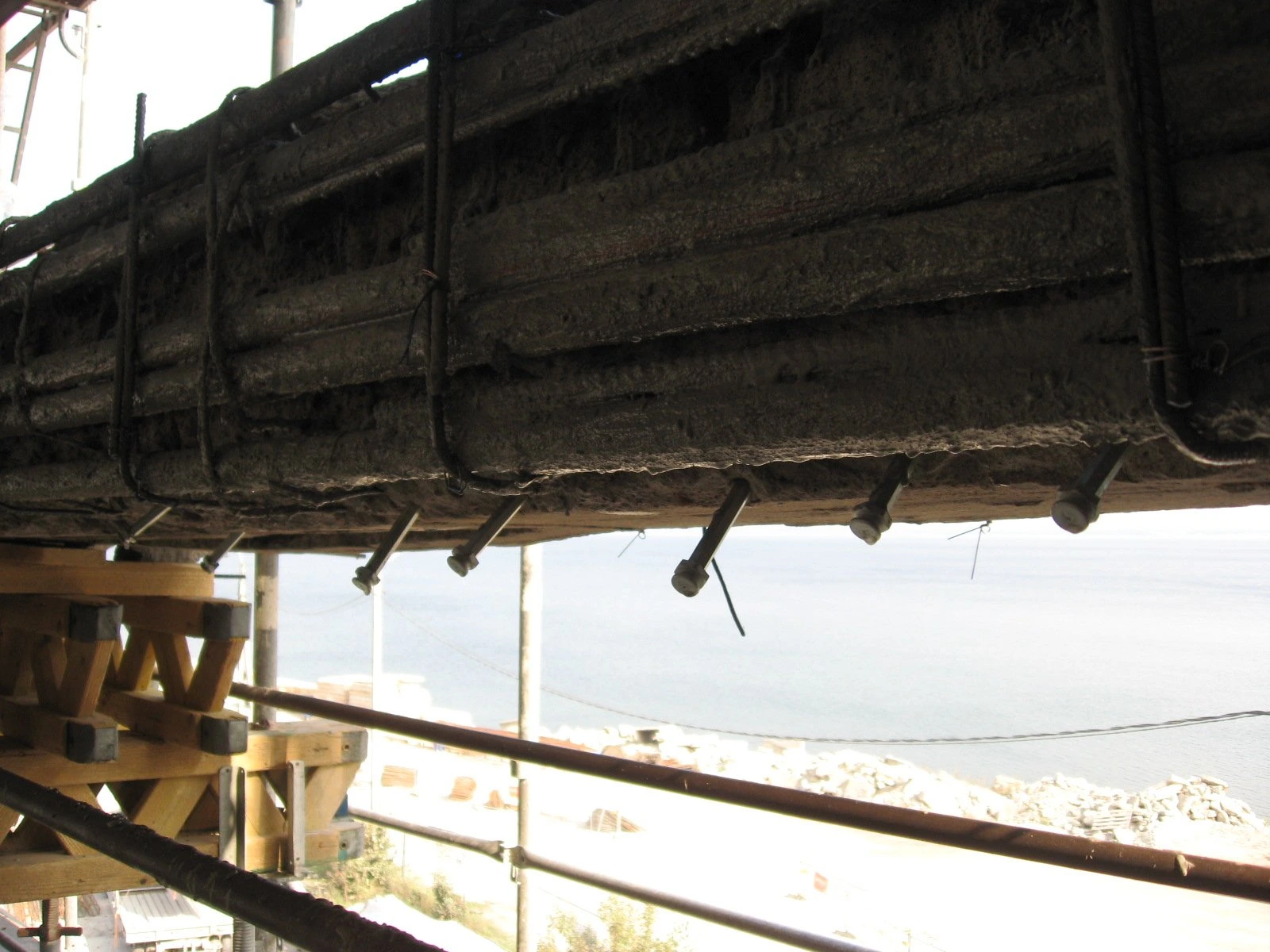
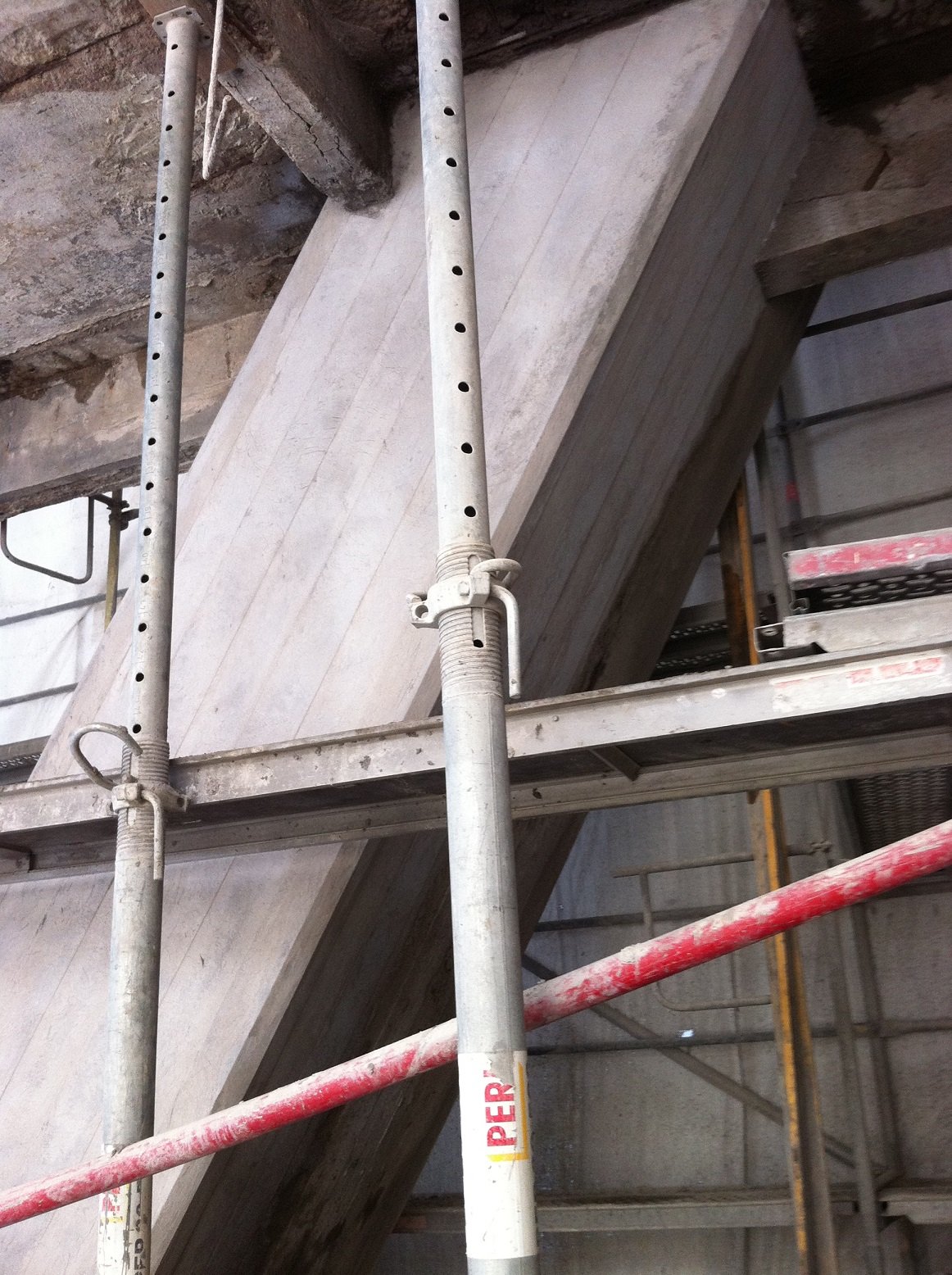
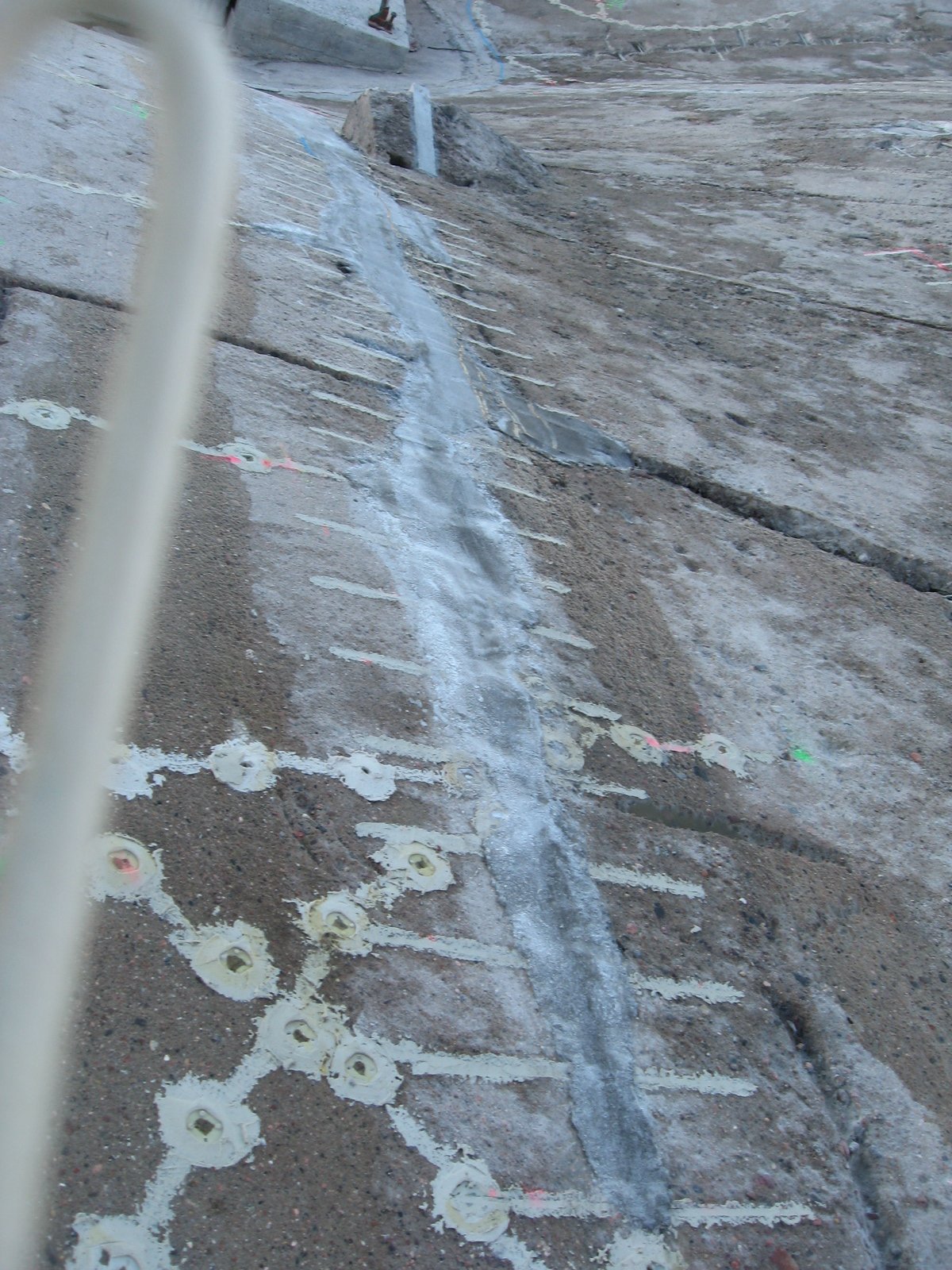
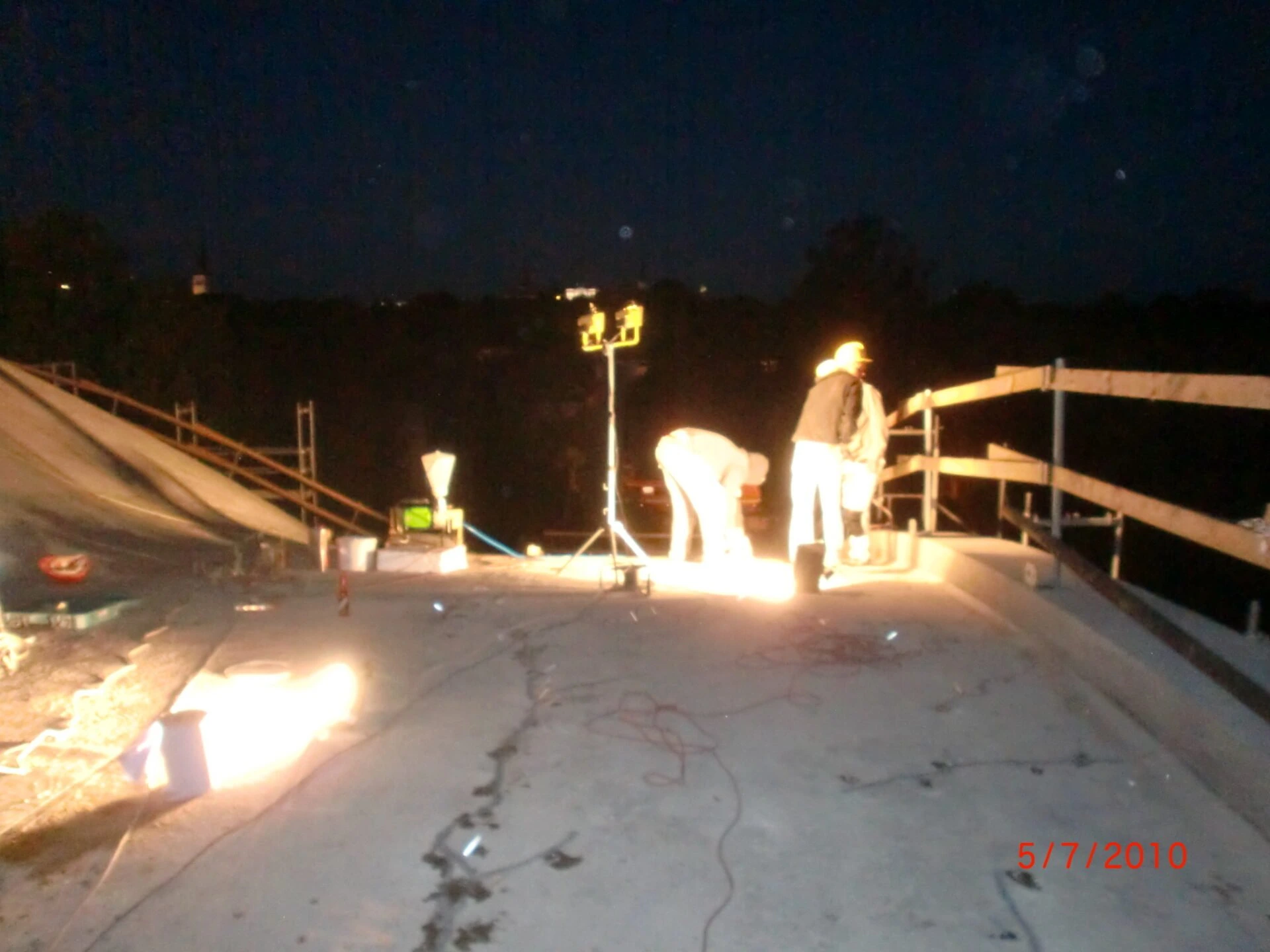
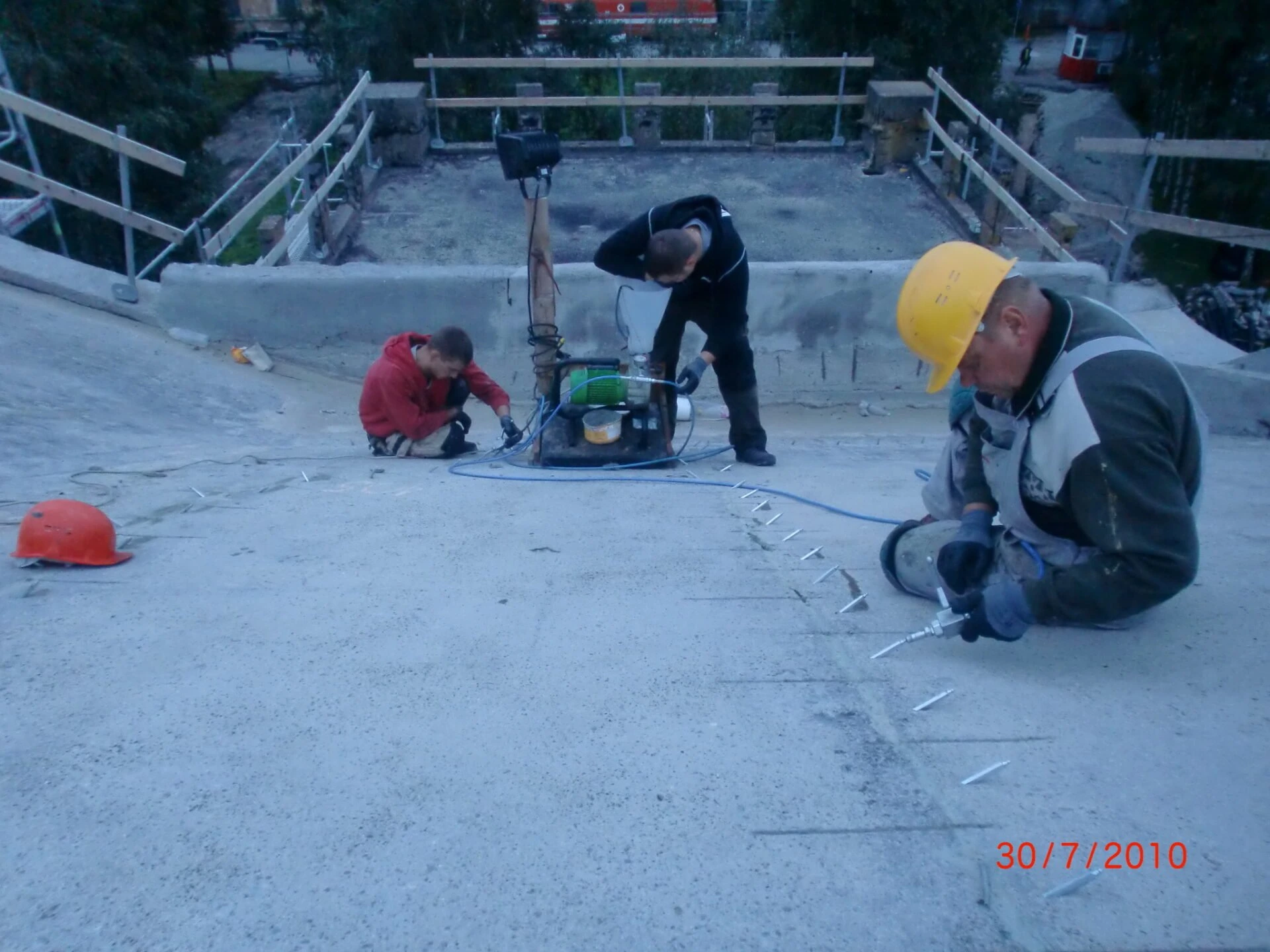
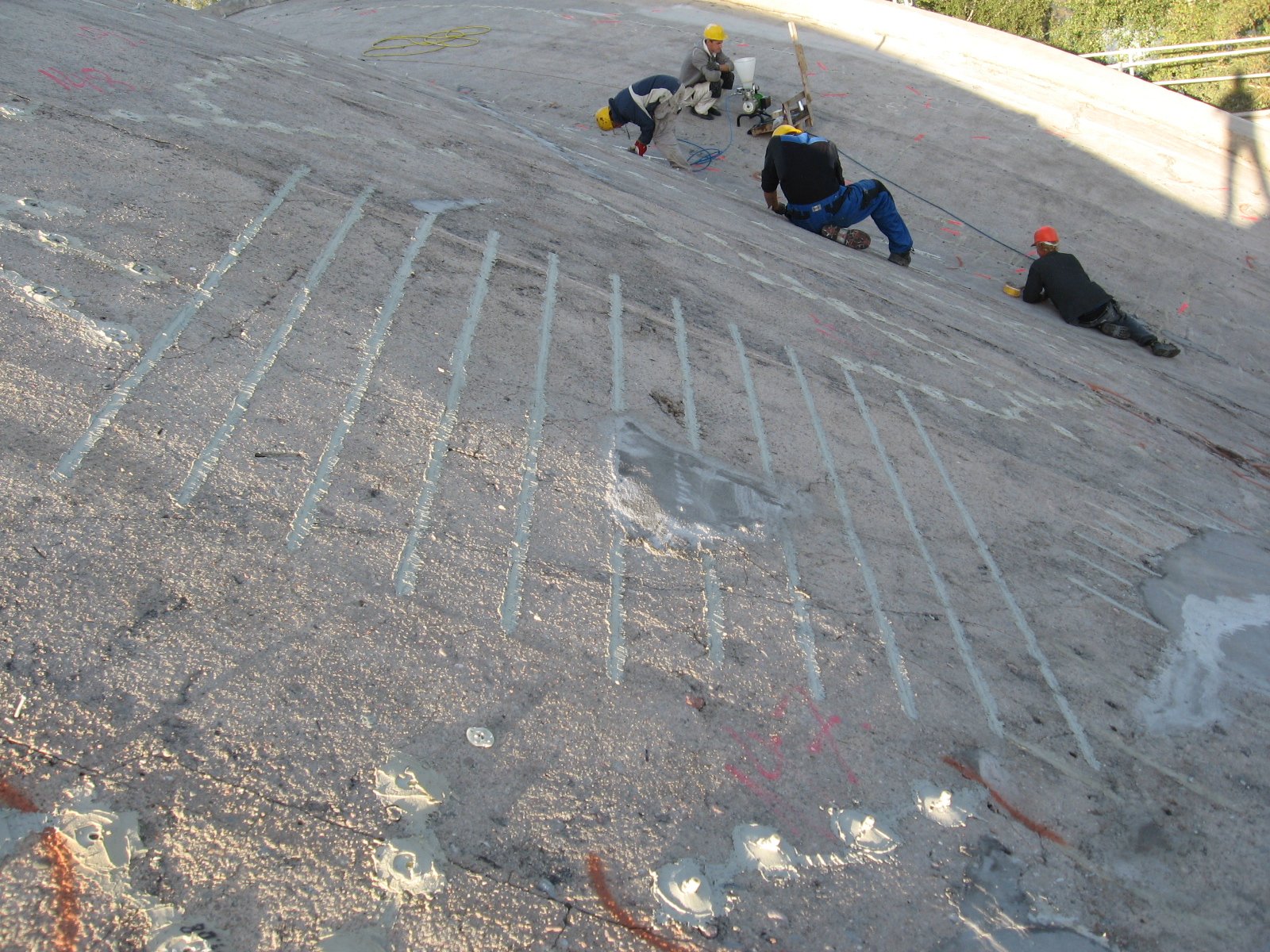
Photo overview of the injection works at the Estonian Maritime Museum seaplane harbour hangars
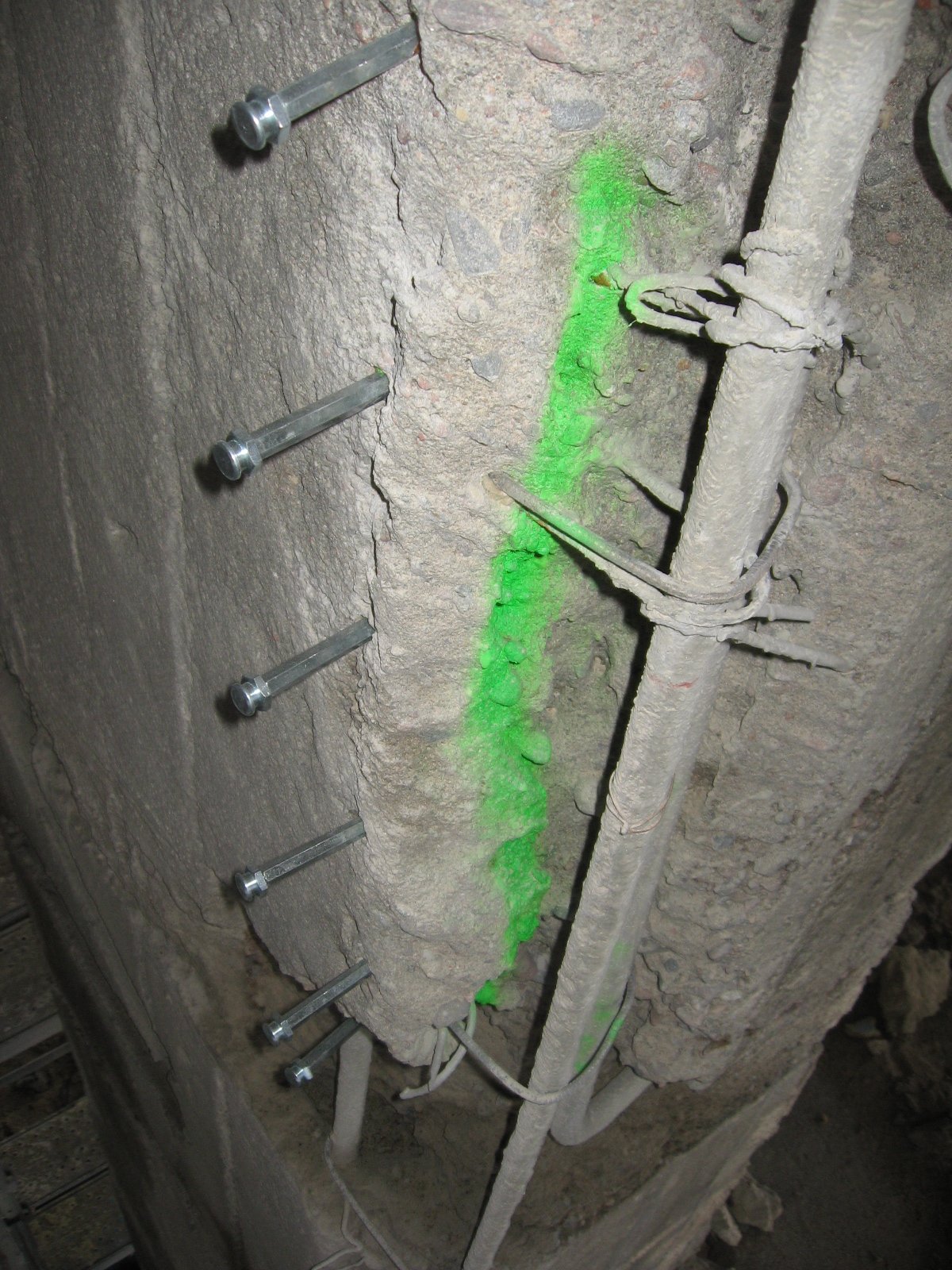
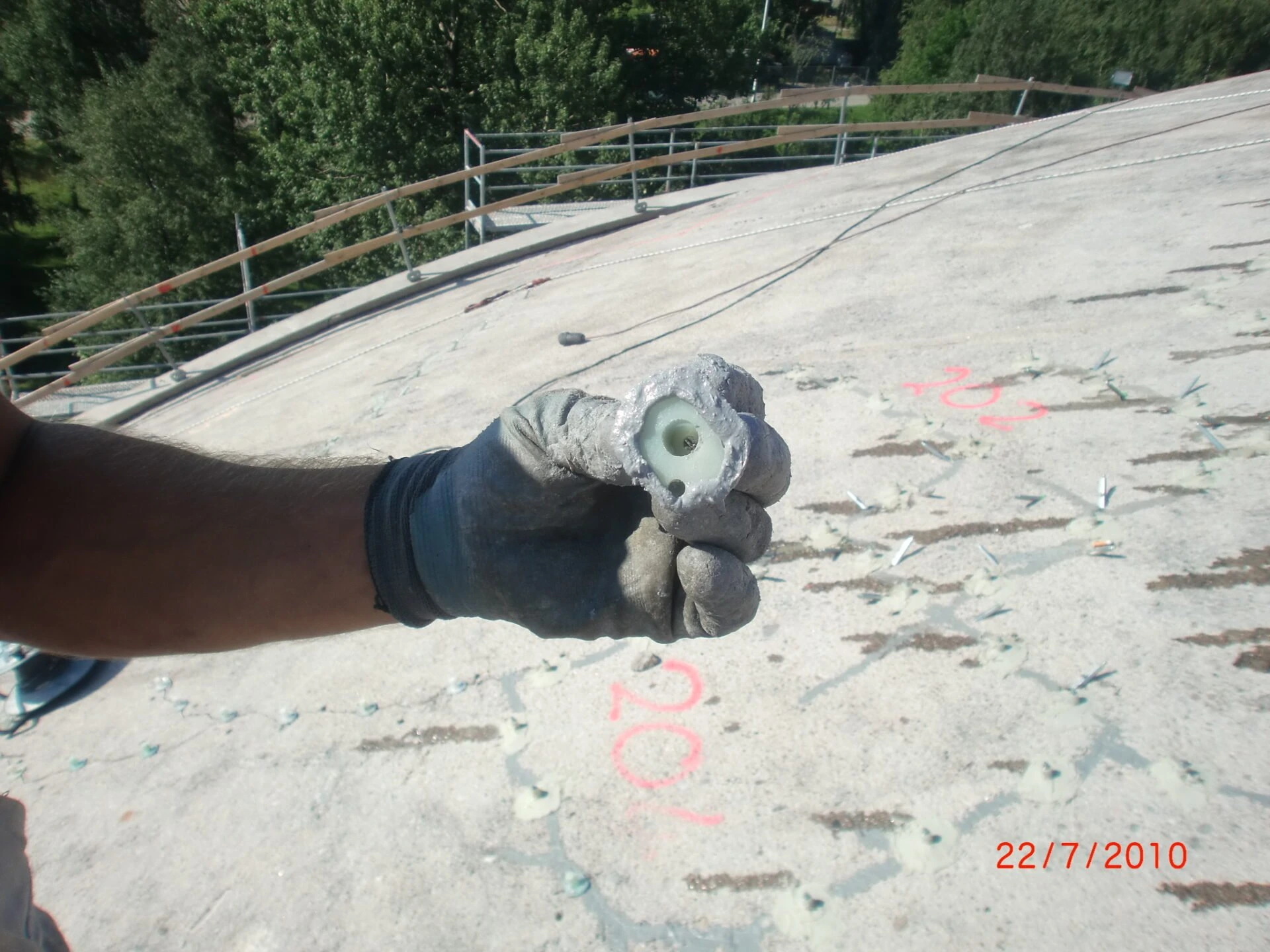
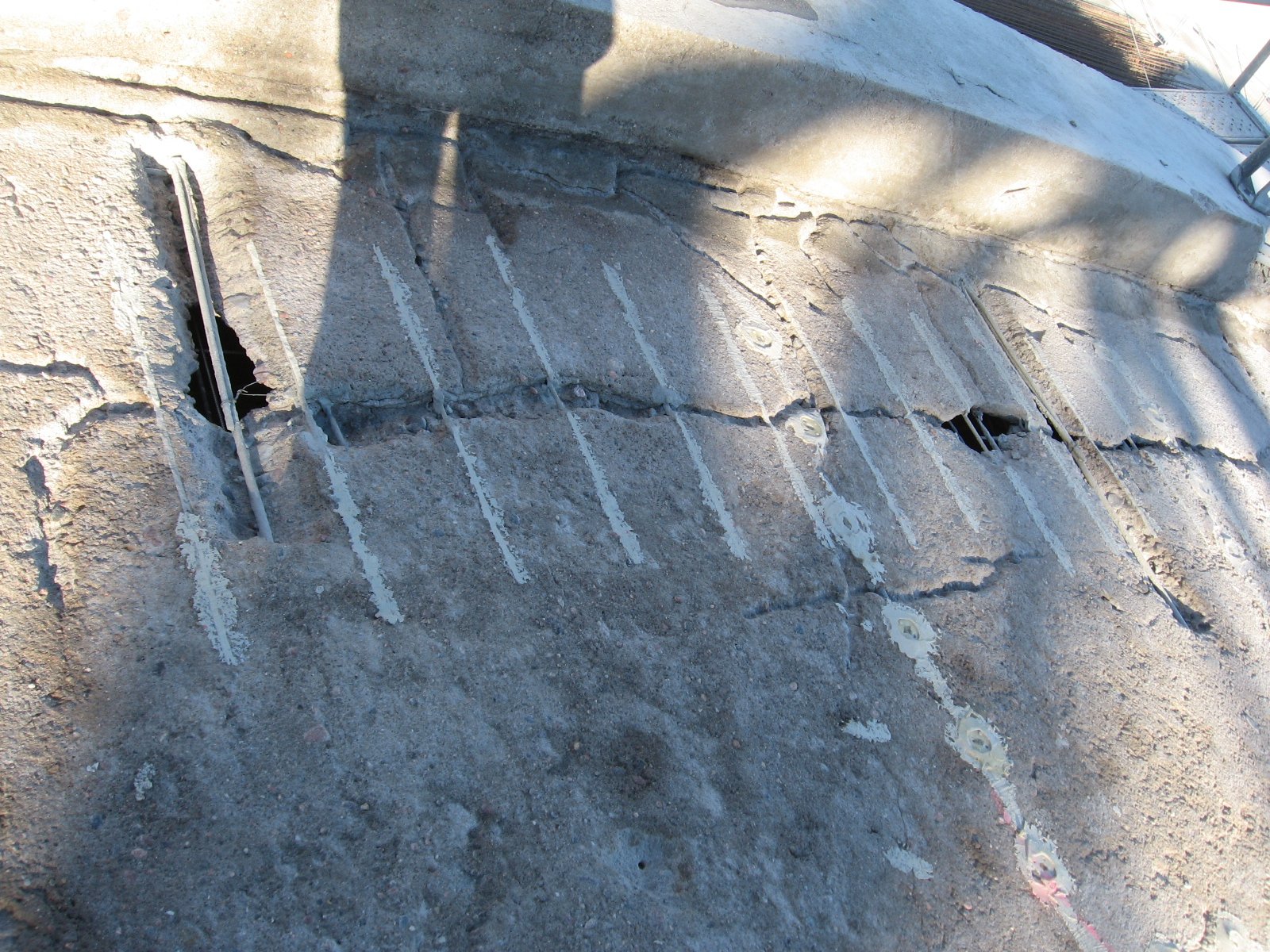
A selection of photos from the injection of the reinforced concrete domes of the Estonian Maritime Museum's seaplane harbour hangar in 2010. In total, we injected 4,200 meters of cracks. In addition, wider and larger cracks were stitched with reinforcing bars installed perpendicular to the cracks.
The purpose of the injection and stitching was to strengthen the reinforced concrete domes. Since the summer of 2010 was very hot, most of the injection work was carried out at night due to the properties of the epoxy resin. As the thickness of the reinforced concrete domes was approximately 80 mm, surface-mounted injection ports were used.